What to check before booking Barcelona tours
Barcelona rewards visitors who plan a little before choosing what to do. The city is compact in some places, spread out in others, and packed with landmarks, markets, coastal routes and neighbourhoods that each need a different amount of time. Barcelona tours can make that easier, but the right choice depends on more than a appealing title. A good booking decision starts with knowing what the day will actually involve.
Before comparing options, set a rough shape for the visit. Think about the days available, the hours that suit the group, and whether the priority is architecture, food, history, views or time by the sea. That short pause makes it easier to spot tours that fit the trip instead of tours that simply sound busy. It also helps avoid overloading a day with too many stops in different parts of the city.
When browsing citytourinbarcelona.com, look closely at the route rather than just the headline. A city walk through the old centre is very different from a bike tour along wide streets and waterfront paths, and neither suits every pace. Check the starting point, the main areas covered, and where the route ends. If a tour finishes far from the hotel or the next stop, the extra travel time matters.
Start with the route and time commitment
The first practical point is the shape of the day. Many visitors imagine a tour as a simple visit to a landmark, yet the time involved often includes walking between stops, waiting at crossings, photo breaks and short explanations. A route that looks short on a map can take longer in a busy street, especially around well known sites.
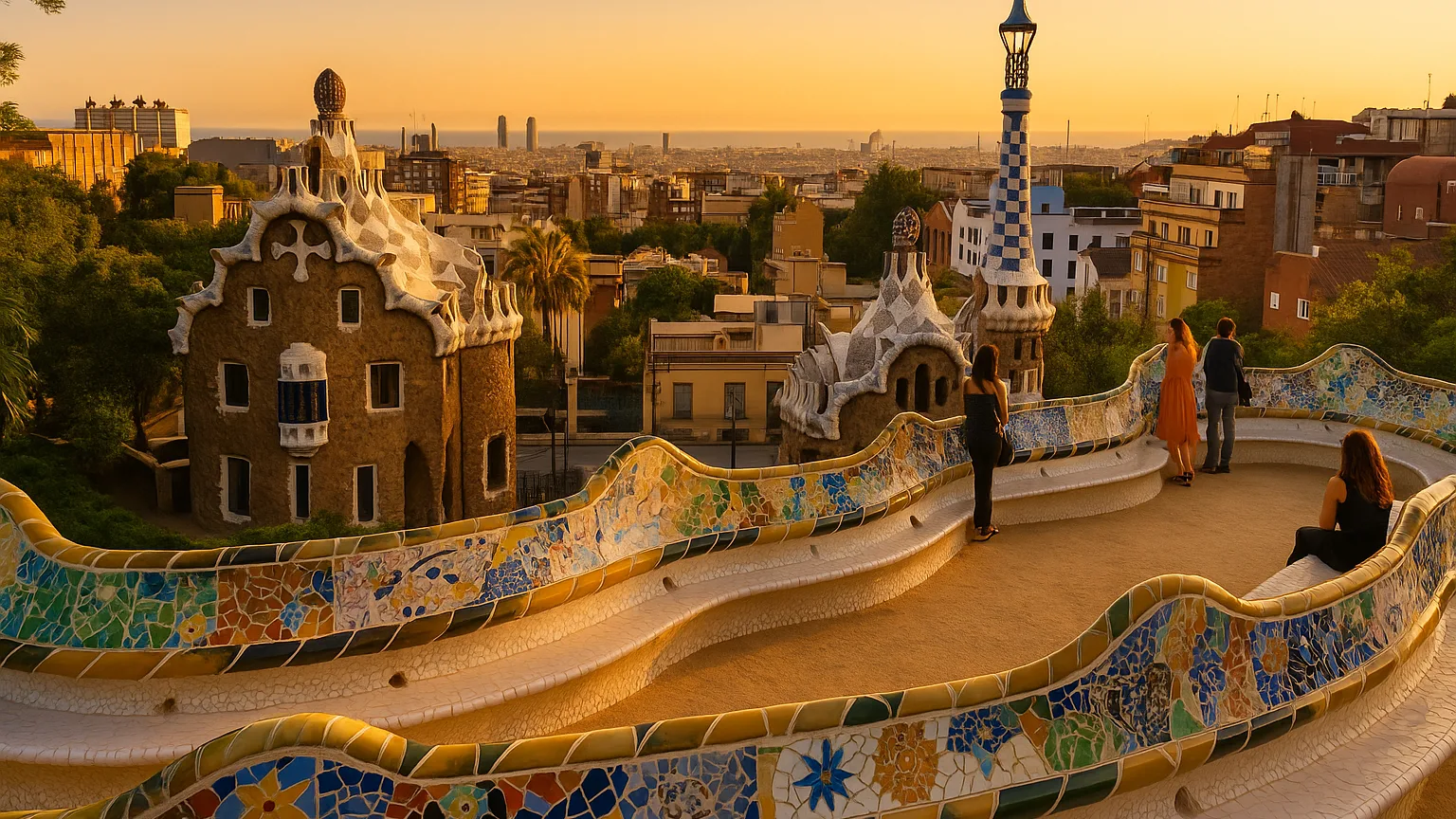
Check whether the itinerary lists specific places or only broad areas. If a detour to güell palace matters to the trip, confirm that it is part of the route rather than an optional extra. The same applies to boqueria market, which works best when there is enough time to wander, sample and move on without feeling rushed.
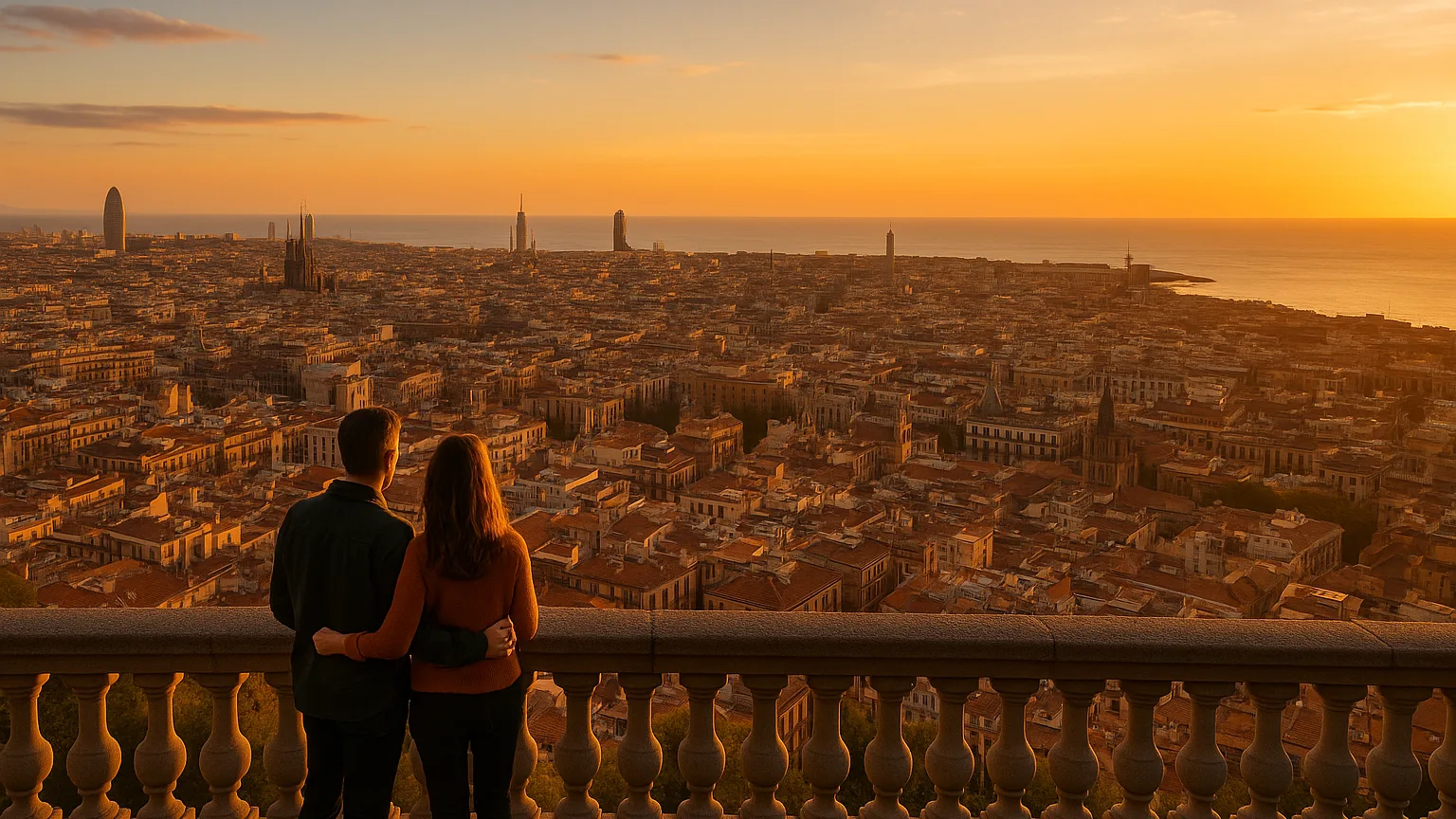
Also look at the finish point. Some tours end near the starting area, while others finish at a landmark, a market or a transport link. That detail can help with the rest of the day. A morning route ending close to lunch is useful. An evening route ending near the waterfront may suit a relaxed dinner better.
Match the format to the group
Not every visitor wants the same style. A family with younger children may need a route with clear breaks and fewer long stretches on foot. A couple looking for atmosphere might prefer a slower walk with time for photographs. Solo travellers may value a format that makes it easy to ask questions. The best fit usually comes from matching the style of the tour to the way the group likes to move.
- Walking routes: Good for street detail and old corners, but they require comfort on pavements and longer periods on foot.
- Bike tour: Useful for covering more ground, though riders need to be at ease cycling in city traffic and following a leader.
- Scooter tour or segway tour: These can feel fun and efficient, but they still need clear instructions, safe spacing and confidence with balance.
- Catamaran cruise: A different view of the city, best checked for boarding point, duration and what happens if weather affects the plan.
- Flamenco show: More of an evening event than a sightseeing route, so seating, timing and the length of the performance deserve attention.
Physical comfort is part of this decision. Check whether there are stairs, steep streets, uneven surfaces or long periods standing. Barcelona has smooth boulevards and charming old lanes, but not all of them feel the same underfoot. Comfortable shoes, water and a sensible pace often matter more than an ambitious itinerary.
Read the details that affect the day
A straightforward listing should answer the basic questions before booking. If a detail is missing, it is worth checking rather than assuming. This is not about finding fault. It is about avoiding a mismatch between expectations and the actual experience.
- Meeting point: Confirm the exact place, nearby landmark and how early to arrive.
- Duration: Look at the full span of the activity, including stops, not just travel between sights.
- Language: Check which language is used, especially if the group needs clear explanations.
- Group size: Smaller groups can feel more personal, while larger groups may move at a fixed pace.
- Inclusions: See what is covered, what is optional and what the group should bring along.
A gourmet market stop is a good example of why details matter. One version may focus on tasting local products, while another may simply point out stalls. Both can be enjoyable, but they suit different expectations. If food is a major reason for booking, look for a clear description of what is included and whether dietary needs can be handled.
There is also the question of access. Some historic buildings and busy sites may have entry rules, timed slots or restricted areas. When a route depends on getting inside a landmark, check how that part is managed. If entry is not included, the visit may still be worthwhile, but the day needs extra time for tickets and queues.
Check the balance between structure and free time
Some travellers want a full explanation at every stop. Others prefer a short introduction, then time to look around on their own. Both approaches can work. The key is to understand the rhythm before committing. A tightly planned route may cover many sights but leave little room for spontaneous pauses. A looser route may feel relaxed but depend more on the group making its own choices.
It helps to consider the first day in a new city. Orientation tours are useful because they show how neighbourhoods connect. Later in the trip, a focused activity such as a market visit, coastal outing or evening performance may be more rewarding. Planning around that sequence often creates a better experience than booking every hour in advance.
Weather can also shape the choice. Outdoor routes are pleasant in clear conditions but less comfortable in heavy rain or strong sun. Indoor or shaded options may work better at certain times of year. A little flexibility is sensible, particularly when the itinerary includes open spaces, waterfront sections or exposed viewpoints.
Look at value, not only at the headline
Price is a normal part of any decision, but it should be read alongside what the activity includes. A longer route with several stops is not automatically better than a short one with a clear focus. A quiet walk with strong context may be more useful than a packed itinerary that leaves little time to take anything in.
Check cancellation terms, payment conditions and any rules about changes. These details may not affect the enjoyment of the tour itself, yet they matter if travel plans shift. Clear terms make it easier to adjust without guesswork. It is also sensible to confirm whether the listed schedule allows enough time to arrive from the hotel or another part of the city.
Reading recent feedback can help, as long as it is approached with care. Look for repeated comments about clarity, pacing, meeting arrangements and how the route felt in practice. A single comment may reflect a specific day, while a pattern can reveal useful details. citytourinbarcelona.com is one place to begin when comparing descriptions, but the same careful reading should apply wherever options are reviewed.
Make the final choice with the whole trip in mind
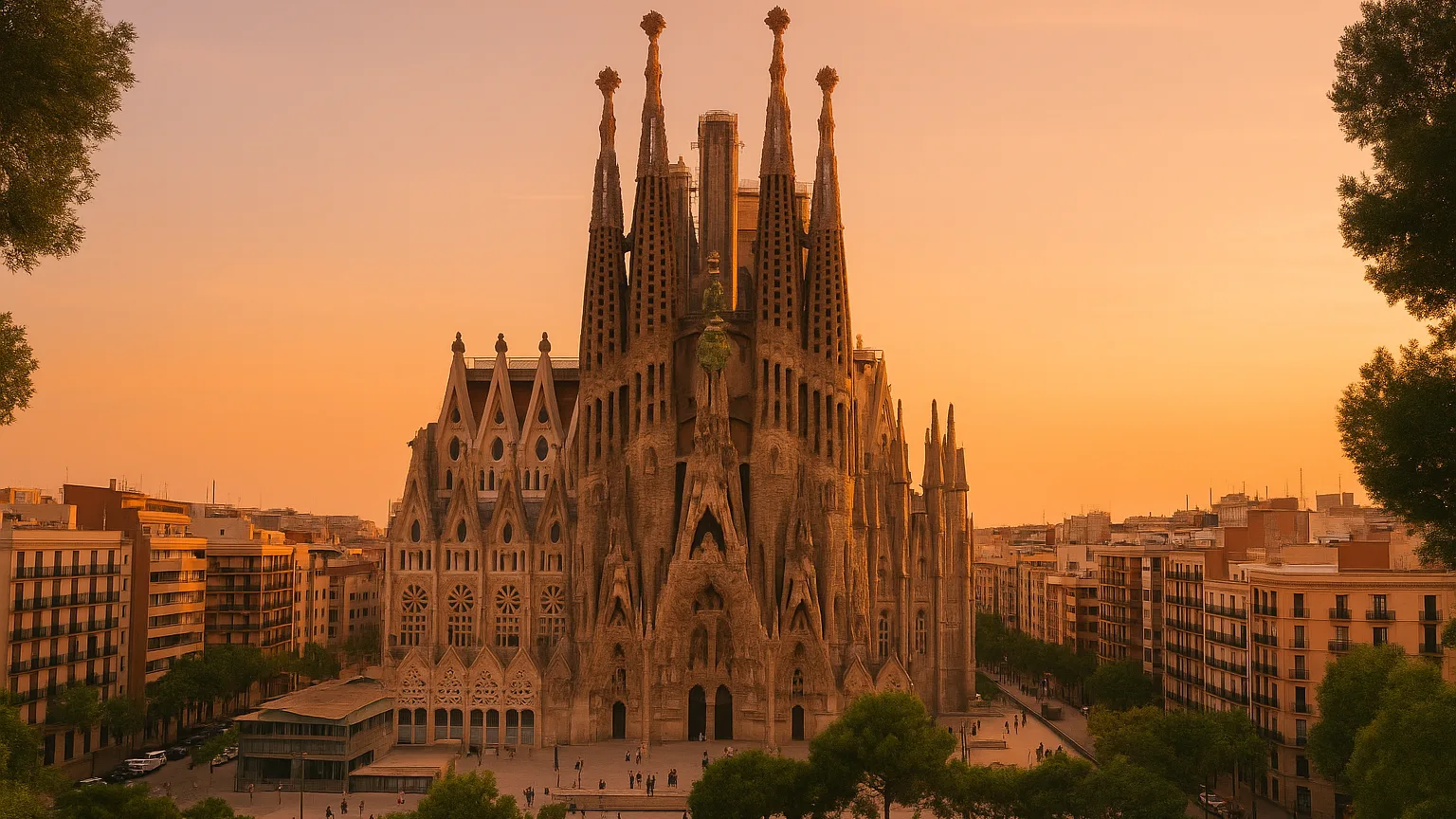
The right booking is the one that fits the visit as a whole. A tour that covers iconic sights may be ideal at the start, while a smaller activity can add depth later. A bike tour may suit an active group, whereas a flamenco show may suit an evening with no further plans. Consider transport between stops, meal times, resting points and the amount of walking already planned for that day.
Barcelona has enough variety that no single activity needs to do everything. Choose one clear purpose for each booking, whether that is orientation, food, architecture, coastline or entertainment. When the purpose is clear, the practical details are easier to judge. The result is a plan that feels steady rather than rushed, with enough space to enjoy the city beyond the itinerary.